
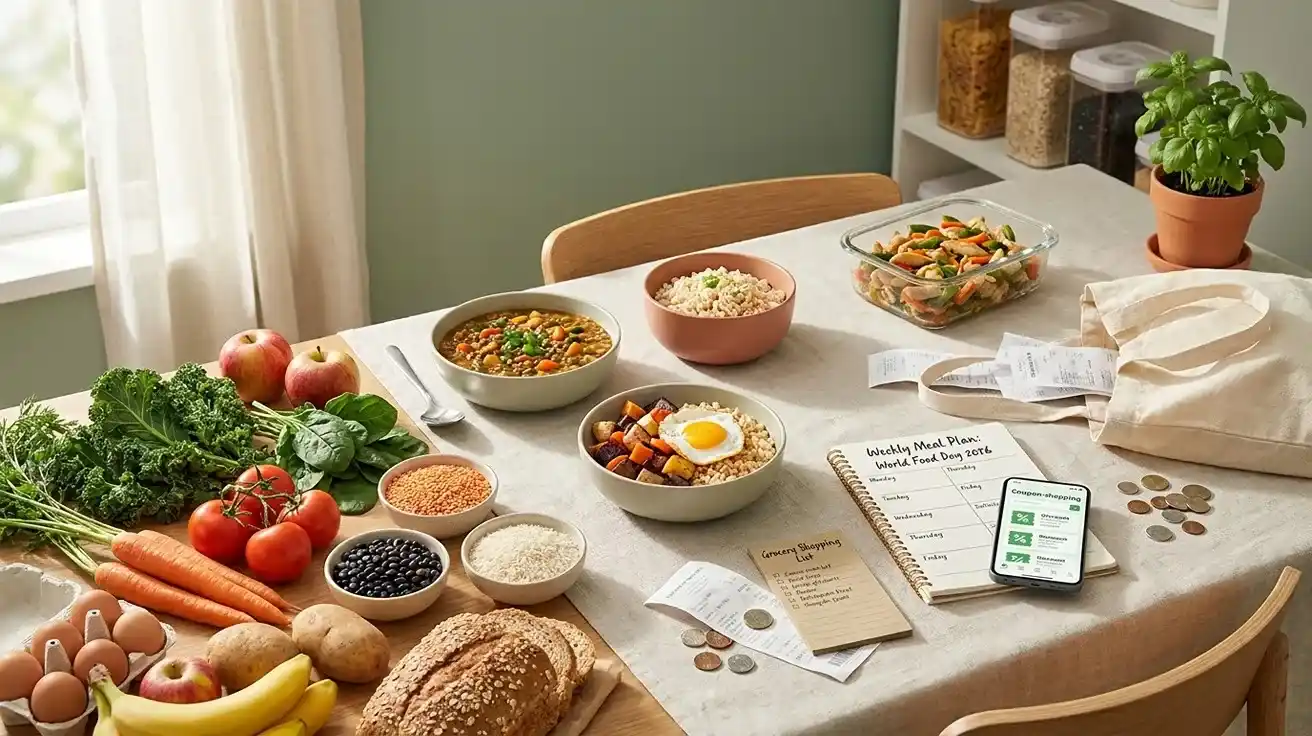
World Food Day is an important reminder that food is more
than something we buy and eat every day. It connects us to our health,
families, communities, and the environment. Celebrated on October 16 each year,
World Food Day encourages people to think about food access, nutrition, and the
importance of reducing food waste. It is also a great opportunity to review our
shopping habits and discover simple ways to eat well without spending too much.
With grocery prices putting pressure on many household
budgets, planning meals and shopping carefully have become more important than
ever. The good news is that eating well does not always require expensive
ingredients or complicated recipes. Small changes, such as preparing a shopping
list, comparing prices, using available coupons, and making better use of
leftovers, can help you save money over time.
World Food Day 2026 is the perfect time to build smarter
food habits. Whether you shop for a large family, prepare meals for yourself,
or manage a tight monthly budget, a few practical strategies can help you enjoy
nutritious meals while keeping your spending under control.
Why World Food Day 2026 Is a Good Time to Rethink Your Grocery Budget
Grocery shopping is a regular expense, which means even
small savings can make a difference over several weeks or months. However, it
is easy to spend more than planned when shopping without a list, buying
products you do not need, or choosing convenience foods for every meal.
World Food Day offers a useful reminder to look at the
bigger picture. Instead of focusing only on the price of individual items,
consider how your shopping choices affect your meals, food waste, and household
budget.
Start by reviewing your recent grocery spending. Which items
do you purchase most often? Which foods sometimes go unused? Are there
affordable ingredients that could replace more expensive alternatives in some
of your meals?
Answering these questions can help you identify realistic
ways to save. You do not need to change your entire routine overnight. Begin
with one or two habits and gradually introduce others as they become easier to
maintain.
Plan Your Meals Before Going Grocery Shopping
Meal planning is one of the simplest ways to control food
spending. It helps you decide what to cook, identify the ingredients you need,
and avoid buying unnecessary products.
Before visiting a grocery store, plan a few meals for the
coming week. You do not need to create an elaborate menu for every day. A
simple list of breakfasts, lunches, dinners, and snacks is enough to get
started.
For example, if you plan to prepare vegetable soup, rice
dishes, and homemade sandwiches, look for ingredients that can work across
several meals. Vegetables, grains, beans, eggs, and other versatile foods can
often be used in different recipes.
Planning also makes it easier to notice what you already
have. Check your refrigerator, freezer, and pantry before writing your shopping
list. Using existing ingredients first can prevent duplicate purchases and help
reduce food waste.
Another helpful tip is to leave room for flexibility. If a
suitable seasonal vegetable is cheaper than your usual choice, consider
adjusting your meal plan. This allows you to benefit from lower prices without
abandoning your overall plan.
Buy Affordable Foods That Offer Good Value
Eating well on a budget does not mean every meal needs
expensive ingredients. Many affordable foods can support a varied and
satisfying diet.
Choose Beans, Lentils, and Other Pulses
Beans, chickpeas, peas, and lentils are versatile
ingredients that can be used in soups, stews, salads, curries, and other
homemade meals. Dried versions may offer good value, while canned options can
save preparation time when they fit your budget.
You can prepare a large batch and use it in several meals
throughout the week. Combining these ingredients with vegetables and grains can
also create filling dishes without relying on costly ingredients.
Include Seasonal Fruits and Vegetables
Seasonal produce is often worth comparing because
availability can influence prices. Visit your local grocery store or market to
see which fruits and vegetables offer the best value.
Fresh produce is not the only option. Frozen vegetables and
fruit can be convenient alternatives, especially when fresh varieties are
expensive or likely to spoil before you use them.
Choose produce that suits your recipes and storage space.
Buying a large quantity at a low price is not a bargain if much of it ends up
in the bin.
Compare Different Sources of Protein
Eggs, beans, lentils, canned fish, yogurt, and other
protein-rich foods can provide different options for meals. The most affordable
choice depends on your location, dietary needs, and current prices.
Compare the cost of different products and consider how many
meals each purchase can provide. This is more useful than choosing an item
based only on its package price.
Use Grocery Coupons and Promo Codes to Reduce Costs
Coupons and promotional codes can help lower grocery
expenses when they apply to products you already plan to buy. Some retailers
offer discounts through their websites, mobile apps, email newsletters, or
loyalty programs.
Before checking out, look for current offers on eligible
groceries and household essentials. You may find discounts on pantry products,
breakfast foods, snacks, beverages, or food storage items.
However, it is important to use coupons carefully. A
discount does not automatically make a purchase worthwhile. If a coupon
encourages you to buy something unnecessary or a larger quantity than you can
use, it may increase your spending rather than reduce it.
Follow these practical tips when using coupons:
- Check
the expiry date: Make sure the coupon is still valid when you plan to
shop.
- Read
the conditions: Some offers require a minimum purchase or exclude certain
products.
- Compare
the final price: Check whether a discounted product is cheaper than a
similar item from another brand.
- Look
for free delivery: When ordering groceries online, delivery savings may
make a difference to the total cost.
- Use
loyalty benefits wisely: Points and rewards can provide extra value when
the purchase meets your needs.
- Avoid
unnecessary spending: Do not add extra products to your basket just to
unlock a small discount.
The best coupon strategy is simple: plan your purchases
first and search for savings second.
Make the Most of Store Sales Without Overspending
Special offers can be helpful, but shopping during a sale
requires a little planning. Supermarkets and online retailers may promote
discounts on selected products throughout the year, including during seasonal
campaigns.
Before buying an item because it is on sale, ask yourself
whether you need it, whether the price is genuinely competitive, and whether
you can store it properly.
For products you use regularly, buying a suitable quantity
during a good offer may help reduce future grocery costs. Dry staples such as
rice, pasta, oats, and beans can be practical choices when you have enough
storage space and can use them before their quality declines.
Be more careful with fresh foods that spoil quickly.
Purchasing extra fruit, vegetables, dairy products, or other perishable items
only makes sense if you can use or safely store them in time.
You can also compare store-brand products with well-known
brands. In some cases, a less expensive alternative may offer similar quality
for everyday cooking. Check the ingredients, package size, and unit price
rather than relying only on the brand name.
Reduce Food Waste to Save More Money
Food waste can quietly increase household expenses. When
groceries are thrown away, you lose both the money spent on them and the
opportunity to use those ingredients in a meal.
One simple solution is to organize your refrigerator and
pantry so that foods you need to use soon are easy to see. Place older suitable
items near the front and keep track of leftovers before preparing another meal.
Try these easy habits:
- Store
foods according to their needs and follow package instructions.
- Label
and date leftovers so you know when they were prepared.
- Freeze
suitable foods when you cannot use them in time.
- Prepare
smaller portions when you are unsure how much everyone will eat.
- Turn
leftover vegetables into soups, omelets, sauces, or other suitable dishes.
- Check
your pantry before shopping so you do not buy ingredients you already own.
It is also helpful to understand food date labels. Depending
on the product and local guidance, quality dates and safety-related dates can
mean different things. Always follow appropriate food-safety instructions,
especially for perishable foods.
Reducing waste does not require complicated methods. Paying
attention to what you buy, cook, and store can make your grocery budget go
further.
Cook at Home and Prepare Meals in Advance
Preparing food at home can give you more control over
ingredients, portion sizes, and spending. Restaurant meals and takeout may be
convenient, but relying on them frequently can make it harder to manage a food
budget.
You do not have to cook every meal from scratch. Begin with
a few easy recipes that use affordable ingredients and suit your schedule.
For example, prepare a pot of soup, cook grains for several
meals, or chop suitable vegetables ahead of time. You can store portions safely
and use them during busy days when you might otherwise order food.
Batch cooking can also help you make better use of
ingredients purchased in larger packages. If you prepare several portions at
once, freeze the extras when appropriate and label them clearly.
Keep your meal plan realistic. If a recipe requires many expensive
ingredients or takes too much time, choose a simpler alternative. The most
useful meal plan is one you can maintain comfortably.
Compare Prices Before Making a Purchase
Price comparison is another effective way to make grocery
shopping more affordable. Different retailers may charge different amounts for
similar products, and package sizes can make comparisons confusing.
Check the unit price when it is available. This shows the
cost per kilogram, litre, or another standard measurement, making it easier to
compare products of different sizes.
For example, a larger package may have a lower unit price,
but only if you can use the contents before they expire or lose quality. A
smaller package may be a better choice if you need only a limited amount.
Online grocery shopping can make price comparisons
convenient, although you should include delivery charges and any service fees
in your calculations.
Keep a short list of the prices of your most frequently
purchased foods. Over time, this can help you recognize a genuinely good offer
instead of relying on a large discount label.
Build Better Food Habits Beyond World Food Day
World Food Day 2026 is a useful starting point, but the
biggest benefits come from habits you continue throughout the year.
Choose a regular day to plan meals, check your pantry, and
prepare a grocery list. Set a realistic weekly food budget and review it
occasionally to see where your money goes.
Try introducing one new savings habit each week. You might
compare unit prices this week, plan meals around seasonal vegetables next week,
and use leftovers more effectively the week after.
Remember that saving money should not mean skipping
necessary meals or ignoring your nutritional needs. Aim for a varied diet that
suits your household, budget, and personal requirements. If you have specific
dietary needs, plan accordingly and seek qualified guidance when necessary.
Small, consistent improvements can help you feel more
organized, reduce unnecessary spending, and make better use of the food you buy.
Final Thoughts
World Food Day 2026 is a great opportunity to rethink
grocery spending and discover practical ways to eat well for less. By planning
meals, choosing affordable ingredients, comparing prices, using relevant coupon
codes, and reducing food waste, you can make your food budget work harder
without making everyday meals complicated. The key is to focus on purchases
that meet your needs rather than buying products simply because they are
discounted. For more helpful shopping ideas, promotional codes, and
money-saving opportunities, visit SavingInstrument and explore
deals that can support smarter spending on everyday essentials.