
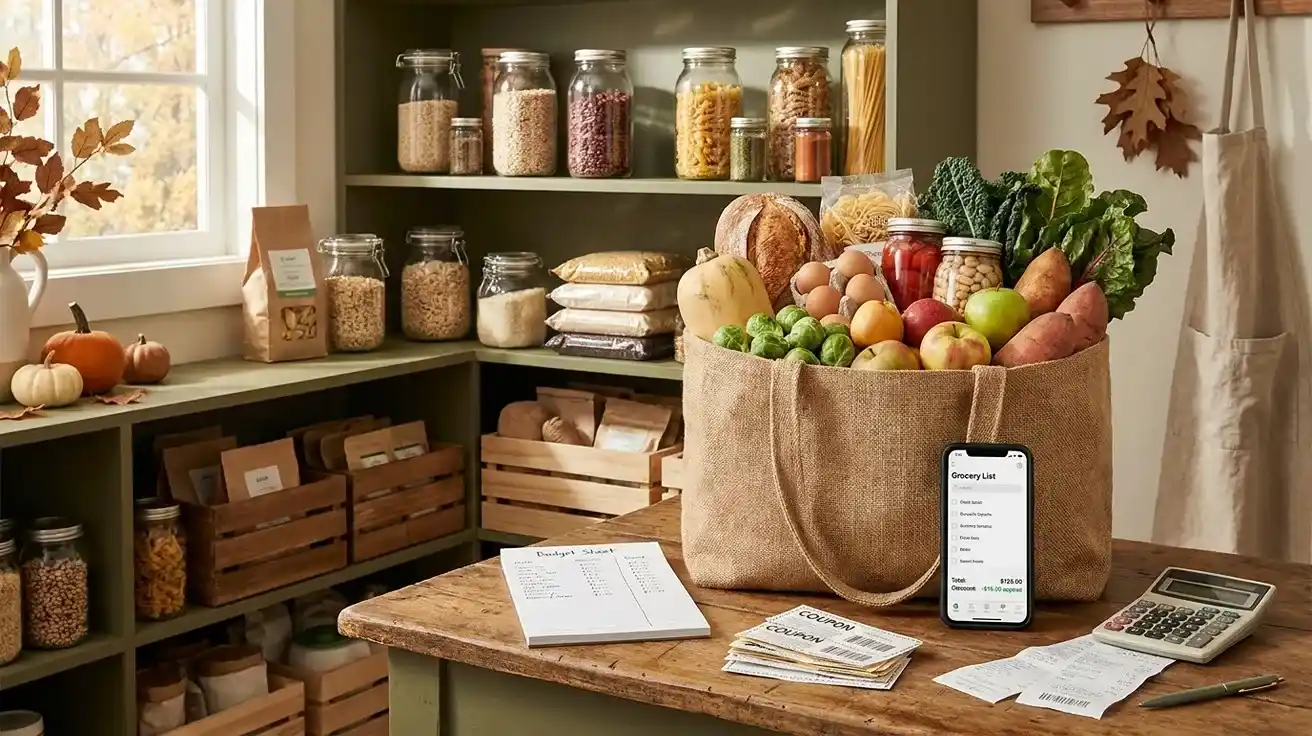
November is an important month for household budgeting. As
the weather changes and the holiday season approaches, many families begin
spending more on groceries, food supplies, snacks, drinks, and everyday
essentials. Supermarkets introduce seasonal promotions, online stores advertise
special discounts, and shoppers are often tempted to add extra products to
their baskets.
Although grocery shopping is a regular household expense,
small changes in shopping habits can make a noticeable difference to the
monthly budget. You do not need to sacrifice food quality or stop buying your
family's favorite products to save money. A little planning, smart comparison,
and careful use of coupons can help you manage grocery expenses more
effectively.
Whether you shop weekly or prefer buying everything in one
monthly trip, November is a good time to review your shopping habits and find
practical ways to spend less.
1. Prepare a Grocery List Before Shopping
One of the easiest ways to control grocery expenses is to
prepare a shopping list before visiting a supermarket or placing an online
order. Shopping without a plan often leads to unnecessary purchases, especially
when stores display attractive offers and seasonal products.
Start by checking your kitchen cupboards, refrigerator, and
freezer. Make a note of the items you already have and identify what needs
replacing. Then divide your list into useful categories, such as fresh food,
dairy products, pantry essentials, cleaning supplies, and personal care items.
Try to include only the products your household genuinely
needs. A clear list helps you stay focused and reduces the chances of buying
duplicate items or products that may go unused.
It is also helpful to estimate how much each category should
cost. Setting a spending limit before shopping gives you better control over
your total grocery bill.
2. Plan Meals Around Affordable Ingredients
Meal planning is another practical way to reduce household
expenses in November. Instead of deciding what to cook every day, plan several
meals in advance and build your grocery list around those recipes.
Choose meals that use affordable, easily available ingredients.
Rice, pasta, potatoes, beans, lentils, seasonal vegetables, and eggs can be
used in many different dishes. Buying ingredients that work across multiple
meals can reduce waste and make your grocery budget go further.
For example, vegetables purchased for one dinner can also be
used in soup, sandwiches, or lunch the following day. Similarly, a larger pack
of rice or pasta may provide ingredients for several family meals.
Before selecting your weekly meals, check supermarket
promotions and seasonal prices. If chicken, vegetables, or pantry products are
discounted, consider including them in your meal plan. However, only buy larger
quantities when you have a realistic plan to use or store them.
3. Compare Grocery Prices Before Making a Purchase
Different supermarkets and online grocery stores may charge
different prices for the same product. Comparing prices before shopping can
help you identify better value and avoid paying more than necessary.
Check the prices of frequently purchased items such as milk,
bread, cereals, cooking oil, cleaning products, and packaged foods. If you
regularly buy the same brands, compare their prices across different retailers.
Pay attention to the price per unit rather than looking only
at the total price. A larger package may appear more expensive, but it could
offer better value per kilogram, litre, or individual item. On the other hand,
buying a bigger pack is not always economical if some of the product will expire
before you use it.
Online grocery shopping makes price comparisons particularly
convenient. You can check several stores without travelling between locations
and compare delivery fees, minimum order requirements, and available discounts.
4. Use Grocery Coupons and Promo Codes
Coupons and promo codes can help reduce the cost of everyday
shopping, especially when used for products you already planned to purchase.
November is often associated with major shopping promotions, so it can be a
useful time to look for grocery discounts and special offers.
Before completing an online grocery order, check whether the
retailer has a valid promotional code. Some offers provide a percentage
discount, while others reduce a fixed amount from the total bill. You may also
find discounts on selected food categories, household cleaning products, or
personal care essentials.
However, do not purchase something simply because a coupon
is available. A discount only creates real savings when the product is useful
and the final price is genuinely better.
Always review the coupon's terms and conditions. Some codes
require a minimum spending amount, apply only to selected products, or are
limited to new customers. Checking these details before checkout can prevent
disappointment and help you make better shopping decisions.
5. Take Advantage of November Grocery Promotions
November brings several major shopping events, including
Black Friday and Cyber Monday. While these events are commonly associated with
electronics, fashion, and home products, grocery retailers may also offer
discounts on selected household essentials.
Look for promotions on long-lasting products such as canned
food, breakfast cereals, tea, coffee, pasta, rice, cooking ingredients,
toiletries, and cleaning supplies.
Compare promotional prices with the products' usual prices
before deciding to buy. Some advertised deals may offer only a small reduction,
while other discounts can provide better value.
It is also important to distinguish between genuine savings
and marketing pressure. A limited-time offer should not force you to buy more
than your household needs. Focus on useful products and ignore promotions that
do not fit your shopping plan.
6. Buy Seasonal Produce for Better Value
Seasonal fruits and vegetables can be a budget-friendly
addition to your November grocery shopping. Produce that is in season is often
more readily available, which may make it more affordable than items that need
to be transported or stored for longer periods.
Visit local supermarkets, grocery stores, and markets to
compare the prices of seasonal produce. Choose fresh ingredients that suit your
family's meals and can be used in different recipes.
You can also reduce food costs by being flexible with your
meal choices. If one vegetable is expensive, consider replacing it with a more
affordable alternative that works in the same recipe.
For example, a vegetable soup can be prepared using
different combinations of seasonal vegetables. This flexibility allows you to
enjoy varied meals without depending on expensive ingredients.
7. Avoid Food Waste at Home
Saving money does not end when you leave the supermarket.
How you store and use groceries at home also affects your household expenses.
Food waste often happens when families buy too much, forget
about items in the refrigerator, or fail to use products before their expiry
dates. To avoid this, organize your refrigerator and pantry so that older
products are easy to see and use first.
Place recently purchased items behind older ones and check
expiry dates regularly. Store fruits, vegetables, dairy products, and leftovers
according to their storage requirements.
If you have extra ingredients, find ways to use them in
another meal. Leftover vegetables can become soup, cooked chicken can be added
to sandwiches, and extra rice can be used in a different dish.
Freezing suitable foods can also help extend their storage
life. Just remember to label containers with the contents and date so you can
keep track of what needs to be used.
8. Consider Store Brands and Generic Products
Brand loyalty can sometimes increase grocery expenses
unnecessarily. Many supermarkets offer their own versions of common products,
including flour, sugar, pasta, canned food, cleaning supplies, and other
household essentials.
These store-brand products may cost less than well-known
brands while still meeting your needs. Comparing ingredient lists, package
sizes, and quality can help you decide whether switching is worthwhile.
You do not need to replace every branded product at once.
Start with basic items where the difference in quality is not important to your
household. If you are satisfied with the alternative, continue purchasing it.
This simple change can create regular savings because these
products are often purchased repeatedly throughout the month.
9. Be Careful With Bulk Buying
Buying groceries in bulk can reduce the cost per unit, but
it is not always the best option for every household. Large packages are useful
for products that have a long shelf life and are used frequently.
Items such as rice, pasta, canned goods, toilet paper, and
cleaning supplies may be suitable for bulk purchases when the price is
reasonable.
However, avoid buying large quantities of fresh food or
products your family rarely uses. If something expires, gets damaged, or
remains unused, the supposed discount may turn into a loss.
Before purchasing a bulk offer, calculate the price per unit
and consider how long it will take your household to use the product. Good
savings come from buying useful quantities at better prices, not simply filling
your shopping cart.
10. Combine Cashback, Rewards, and Discounts
Some grocery retailers and shopping platforms offer
cashback, loyalty points, or reward programs. These benefits can provide
additional value when combined with regular promotions.
Check whether your preferred retailer has a loyalty program
that rewards frequent purchases. Some programs offer points that can later be
exchanged for discounts, while others provide member-only prices or
personalized offers.
Cashback opportunities may also be available through
selected shopping platforms. Before using them, check the eligible retailers,
minimum purchase requirements, tracking conditions, and cashback limitations.
Where permitted, combining a valid promo code with cashback
or a store reward can improve your overall savings. Just make sure the offers
are compatible and compare the final amount you will actually pay.
11. Set a Weekly Grocery Budget
A monthly grocery budget can feel difficult to manage if you
do not track your spending regularly. Breaking it into weekly limits makes it
easier to understand where your money goes.
Start by reviewing your previous grocery bills and
estimating your household's usual spending. Then set a realistic weekly amount
based on your family size, food preferences, and essential requirements.
After each shopping trip, record how much you spent. If you
go over budget one week, review the reasons instead of immediately cutting
important food items. You may discover that unnecessary snacks, duplicate
products, or impulse purchases are increasing your expenses.
A simple notes app, spreadsheet, or household budget planner
can help you monitor spending throughout November.
12. Shop With a Clear Purpose
One of the most effective ways to save money is to avoid
shopping when you do not have a clear purpose. Frequent supermarket visits can
encourage unnecessary purchases, especially when you see new products or
attractive displays.
Try to plan one main grocery trip each week and make smaller
visits only when necessary. If you shop online, review your basket before
checkout and remove anything that was not part of your original plan.
You should also be cautious about free-delivery offers that
require you to spend more. Paying a small delivery fee may sometimes be cheaper
than purchasing additional products you do not need.
The goal is not to avoid spending altogether. It is to make
sure every purchase supports your household's actual needs.
Final Thoughts
November grocery shopping does not have to put extra
pressure on your household budget. By preparing a shopping list, planning
affordable meals, comparing prices, using valid coupons, and avoiding
unnecessary purchases, you can make your monthly grocery spending more
manageable. Small improvements in shopping habits can lead to meaningful
savings over time, especially when you stay consistent. Before your next
grocery order, explore useful promotions, compare available offers, and look
for opportunities to get better value on everyday essentials. For more ways to
discover discounts, promotional codes, and money-saving opportunities, visit Savinginstrument and make your
November shopping more budget-friendly.