
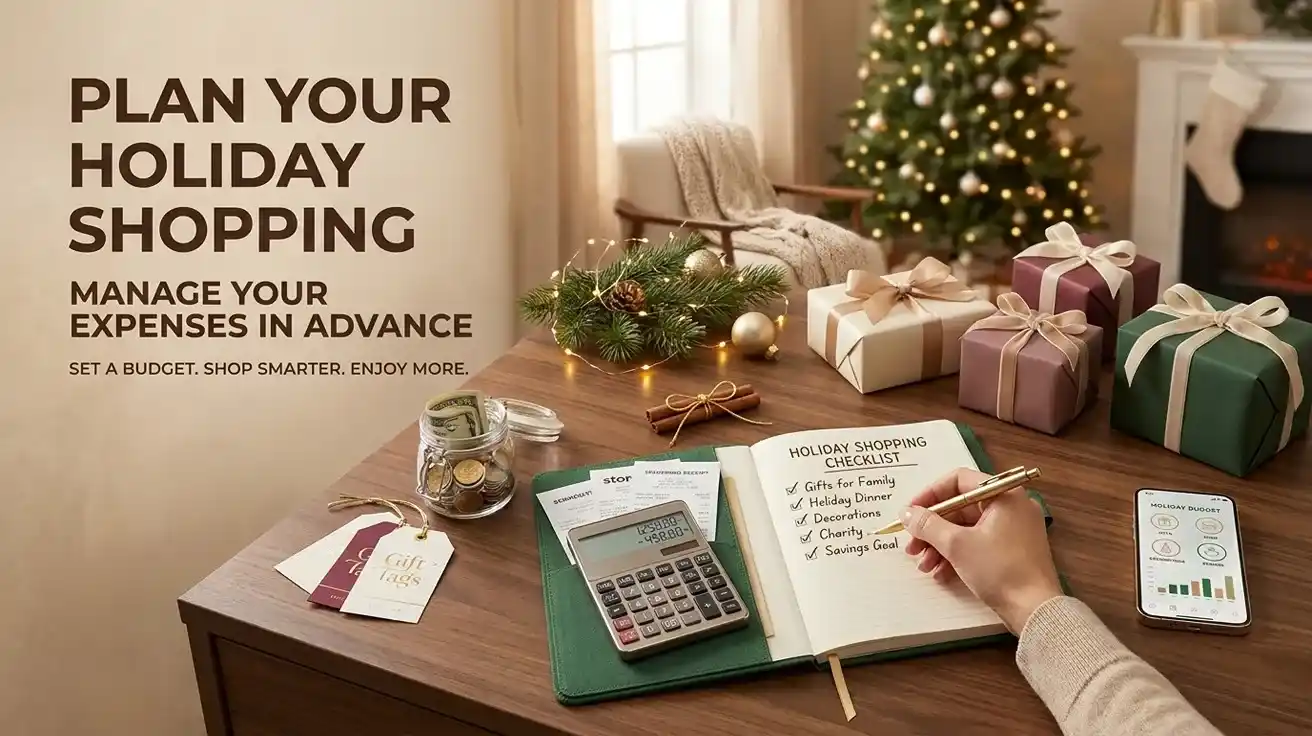
Holiday shopping can be exciting, but it can also put
pressure on your finances if you do not plan your expenses carefully. Gifts,
decorations, food, travel, clothing, and family celebrations can quickly add
up. Even small purchases may create a large total when you buy several things
throughout the season.
The best way to enjoy the holidays without unnecessary
financial stress is to prepare a shopping budget in advance. A clear plan helps
you decide how much you can afford, prioritize important purchases, compare
prices, and avoid spending money on things you do not really need.
Planning ahead does not mean giving up the fun of holiday
shopping. It means making thoughtful decisions so you can enjoy the season
while keeping your finances under control. This guide explains how to organize
your holiday shopping expenses, set realistic spending limits, find useful
discounts, and make your budget go further.
1. Calculate Your Total Holiday Shopping Budget
The first step is deciding how much money you can comfortably
spend during the holiday season. Start by reviewing your monthly income,
regular bills, household expenses, savings goals, and any other financial
responsibilities.
Once you understand how much money is available, decide on a
realistic holiday spending limit. This amount should cover all seasonal
purchases without affecting essential expenses such as rent, groceries,
utilities, transportation, or debt payments.
For example, if you have a certain amount available after
covering your regular expenses, you can divide it between gifts, food,
decorations, travel, and other holiday activities. You do not need to spend the
entire amount simply because you have set it aside. A budget is a maximum
limit, not a spending target.
Remember that the right holiday shopping budget depends on
your personal financial situation. Avoid comparing your spending with friends,
relatives, or social media advertisements.
2. Review Last Year's Holiday Expenses
Your previous holiday spending can help you create a more
accurate budget for the current season. Think about what you purchased last
year and which expenses were higher than expected.
If possible, review old bank statements, shopping receipts,
and credit card transactions. Look for purchases related to gifts, decorations,
groceries, clothing, travel, entertainment, and delivery charges.
You may discover that small purchases made throughout the
season added up to a significant amount. You might also notice that certain
decorations or household items were purchased unnecessarily.
Use this information to improve your current plan. If you
spent too much on last-minute gifts last year, prepare your gift list earlier.
If holiday food costs were higher than expected, create a meal plan and compare
grocery prices before shopping.
Learning from previous spending habits can help you avoid
repeating the same mistakes.
3. Divide Your Budget into Shopping Categories
After deciding on your overall spending limit, divide it
into smaller categories. This makes it easier to understand where your money
will go and how much you can spend on each type of purchase.
Common holiday shopping categories include:
- Gifts:
Presents for family members, friends, children, colleagues, and other
important people.
- Food
and groceries: Holiday meals, snacks, drinks, baking ingredients, and
extra household supplies.
- Decorations:
Christmas trees, ornaments, lights, candles, wreaths, and other festive
accessories.
- Clothing:
Seasonal outfits, shoes, jackets, and special-occasion clothing.
- Travel:
Transportation, accommodation, fuel, and other journey-related expenses.
- Entertainment:
Family activities, events, parties, and seasonal experiences.
- Delivery
and packaging: Shipping charges, gift bags, wrapping paper, and
greeting cards.
Your categories should reflect your actual plans. If you are
not travelling, you can reduce that category and allocate the available amount
elsewhere.
Breaking your budget into smaller sections also helps
prevent one type of purchase from using all your available money.
4. Prepare a Holiday Gift List in Advance
Gift shopping can become expensive when you purchase items
without a clear plan. Preparing a list before visiting stores or browsing
online retailers helps you stay focused.
Write down the names of everyone you plan to buy gifts for.
Next to each name, add a suitable gift idea and a maximum spending limit. This
gives you a clear target and makes it easier to compare different products.
You do not need to purchase expensive gifts for everyone. A
useful accessory, personalized item, book, affordable beauty product, or
thoughtful homemade present can be meaningful without costing too much.
It is also helpful to discuss spending expectations with
family members and friends. For example, you could agree on a gift exchange
with a fixed price limit instead of buying presents for everyone individually.
Before purchasing a gift, ask yourself whether the recipient
will actually use it. Choosing something practical and suitable is often better
than buying an expensive item simply because it looks impressive.
5. Start Saving Money Before the Holiday Season
Saving gradually can make holiday shopping more manageable.
Instead of trying to cover every expense from one month's income, set aside a
small amount regularly before the season begins.
First, calculate your expected holiday spending. Then divide
that amount by the number of weeks or months remaining before your planned
shopping period.
For example, if your estimated holiday budget is $600 and
you have six months to prepare, you could aim to save $100 each month. The
amount can be adjusted according to your income and other financial
responsibilities.
Consider keeping holiday savings separate from your everyday
spending money. A dedicated savings account, digital savings space, or simple
envelope system can help you avoid using the money for unrelated purchases.
If you are starting late, do not worry. Even saving a
smaller amount from each available payday can help reduce pressure when
shopping begins.
6. Create a Shopping Timeline
A shopping timeline helps you organize purchases and avoid
spending everything at once. It also gives you time to research products and
wait for suitable offers.
Start by identifying which items you need to purchase early.
Gifts that require delivery, personalized products, and items with limited
availability may need more attention. Everyday groceries and some household
supplies can often be purchased closer to the holiday.
You can organize your shopping into three stages.
Early planning: Research gift ideas, check prices,
review your budget, and identify products that may sell out quickly.
Main shopping period: Purchase planned gifts and
household items when you find suitable prices. Keep track of spending after
every order.
Final preparation: Buy remaining groceries, wrapping
materials, and essential items. Avoid unnecessary last-minute shopping and
expensive impulse purchases.
A timeline gives you more control over your shopping
decisions. It also helps you avoid paying higher delivery charges or choosing
unsuitable products because you are running out of time.
7. Compare Prices Before Making Purchases
Comparing prices is one of the most useful ways to manage
holiday shopping expenses. Different retailers may offer the same product at
different prices, so buying from the first store you visit may not always be
the best decision.
Search for the exact product model or name and compare its
price across several reliable retailers. Pay attention to product
specifications, sizes, colours, included accessories, and seller information to
ensure that you are comparing similar items.
Do not focus only on the advertised price. Delivery fees,
taxes, handling charges, and return conditions can change the final cost.
You should also check whether a product is available in a
bundle. Sometimes a retailer offers useful accessories with a product at a
better combined price. However, avoid bundles that include items you do not
need.
Taking a little time to compare prices can help you make
more confident purchases and keep your holiday budget under control.
8. Use Discount Codes and Seasonal Promotions
Promotional codes can help reduce the cost of planned
holiday purchases. Many online retailers provide seasonal discounts, welcome
offers, product-specific coupons, and special promotions during major shopping
periods.
Before completing an order, look for discount codes that
apply to the products in your basket. Read the terms carefully because some
codes have minimum spending requirements, category restrictions, or expiry
dates.
A practical approach is to compare the price before and
after applying the promotion. This helps you understand the actual saving
rather than relying only on the discount percentage displayed in an
advertisement.
For example, a promotional code offering a discount on a
planned household purchase may be useful. However, buying additional products
just to qualify for a minimum-spend offer can increase your total expenses.
Remember that a genuine saving comes from paying less for
something you already intended to buy, not from purchasing unnecessary
products.
9. Take Advantage of Cashback and Loyalty Rewards
Cashback offers and loyalty programs can provide additional
value when used carefully. Some shopping platforms return a percentage of
eligible purchases, while retailer membership programs may offer points,
vouchers, or exclusive discounts.
Before using these services, check their conditions.
Cashback may be available only for selected retailers, products, or payment
methods. Some discount codes may also affect cashback eligibility.
If you regularly shop with a particular retailer, review
your existing loyalty points before placing a new order. You may be able to
redeem them against a holiday purchase.
However, do not spend more simply to earn rewards. Cashback
and loyalty points should support your budget rather than encourage extra
shopping.
10. Plan Your Food and Grocery Expenses
Holiday food shopping is another area where expenses can
increase quickly. Hosting family gatherings, preparing special meals, and
purchasing extra snacks can use a large part of your budget.
Start by planning the meals and gatherings you expect to
organize. Write down the ingredients you need and check your kitchen cupboards
before visiting the supermarket. You may already have some items available,
which means you do not need to purchase them again.
Compare grocery prices and look for suitable multi-buy
offers on products you regularly use. Buying larger quantities can sometimes
provide better value, but only when you can use the items before they expire.
You can also reduce costs by preparing some dishes at home,
choosing seasonal ingredients, and asking guests to contribute a dish when
appropriate.
A grocery list helps you avoid buying extra snacks, drinks,
and ingredients that were not part of your original plan.
11. Reuse Decorations and Set Limits on Extra Purchases
Holiday decorations can create a beautiful atmosphere, but
buying new accessories every year is not always necessary.
Before shopping for festive decorations, check what you
already own. Christmas lights, ornaments, artificial trees, table accessories,
and reusable gift bags may still be in good condition.
If you need something new, decide which items will make the
biggest difference. You might purchase a few new ornaments or replace damaged
lights instead of buying a completely new collection.
Set a separate spending limit for decorations and avoid
allowing attractive displays or seasonal advertisements to influence your
decisions.
You can also create a fresh appearance by rearranging
existing decorations or adding simple handmade accessories. Small creative
changes can make your home feel festive without creating unnecessary expenses.
12. Decide How You Will Pay for Holiday Purchases
Choosing a payment method before shopping can help you
manage your expenses more effectively.
If you prefer using cash or a debit card, set aside the
amount allocated to each shopping category. Once that amount is spent, avoid
purchasing additional items unless you adjust another category.
Credit cards may offer convenience or purchase-related
benefits, but they should be used carefully. Before making a purchase, consider
whether you can repay the balance according to your financial plan.
Avoid relying on credit to fund gifts, decorations, or
celebrations that you cannot comfortably afford. Interest charges and unpaid
balances can make holiday purchases much more expensive over time.
If you use a payment instalment service, check the complete
repayment schedule, fees, and consequences of missed payments. Make sure every
scheduled payment fits within your future budget.
13. Track Your Expenses While Shopping
Creating a budget is only the beginning. You also need to
track your purchases to make sure you are following your plan.
You can use a spreadsheet, budgeting application, notebook,
or simple document to record each purchase. Include the product name, purchase
date, amount paid, and category.
After every shopping trip or online order, update your
records. Compare the amount spent with your original category limits to see how
much money remains.
For example, if you have already spent most of your gift
budget, you may need to choose less expensive options for your remaining
purchases.
Regular tracking also helps you identify unexpected expenses
before they become a larger problem. The Consumer Financial Protection Bureau
recommends monitoring spending and comparing actual purchases with your budget
to maintain better control over your money.
14. Avoid Impulse Buying and Last-Minute Shopping
Seasonal promotions can make shoppers feel that they must
purchase products immediately. Countdown timers, limited-stock messages, and
large discount labels may encourage quick decisions.
Before buying an unexpected item, take a moment to consider
whether it is necessary. Ask yourself whether the product is already on your
list, whether you can afford it, and whether the price is genuinely attractive.
A useful strategy is to wait before purchasing non-essential
items. Giving yourself time to think can help you decide whether you really
want the product.
Last-minute shopping should also be limited whenever possible.
Rushed purchases may leave you with fewer product choices, higher delivery
costs, and less time to compare prices.
A planned shopping list and realistic spending limit can
help you avoid these problems.
15. Keep an Emergency Amount for Unexpected Costs
Even a well-prepared holiday budget may need adjustments.
Unexpected travel costs, additional guests, replacement purchases, or delivery
problems can create expenses that were not part of your original plan.
If possible, include a small reserve in your holiday budget
for these situations. This amount should be separate from your essential
emergency savings and should not affect your regular financial commitments.
If an unexpected expense occurs, review your remaining
budget before spending. You may need to reduce costs in another category or
choose a less expensive alternative.
Having a little flexibility makes your plan more practical
and reduces the pressure to use credit for every unexpected purchase.
16. Review Your Budget After the Holidays
Your holiday planning should not end after the final gift is
purchased. Reviewing your spending after the season can help you prepare more
effectively for the next year.
Compare your original budget with your actual expenses.
Identify which categories stayed within their limits and which ones cost more
than expected.
Consider whether your shopping timeline worked well, whether
you found useful discounts, and whether you purchased anything you did not
really need.
Save your updated spending records so you can use them as a
starting point for future holiday planning. You can also begin setting aside
money for the next season if your financial situation allows.
This simple review helps turn holiday budgeting into a
useful long-term habit.
Final Thoughts
Planning your holiday shopping expenses in advance can make
the entire season more enjoyable and financially manageable. By setting a
realistic budget, preparing a gift list, saving gradually, comparing prices,
and tracking every purchase, you can avoid unnecessary spending while still
making meaningful memories with family and friends. Remember that successful
holiday shopping is not about buying more; it is about making better decisions
with the money you have available. For more shopping inspiration and
opportunities to explore promotional offers, visit SavingInstrument
and make smarter choices throughout the holiday shopping season.